Explainer
Explore hair shades of brown from ash to caramel to espresso, organized by undertone with a shade chart so you can find the brown that flatters your skin.
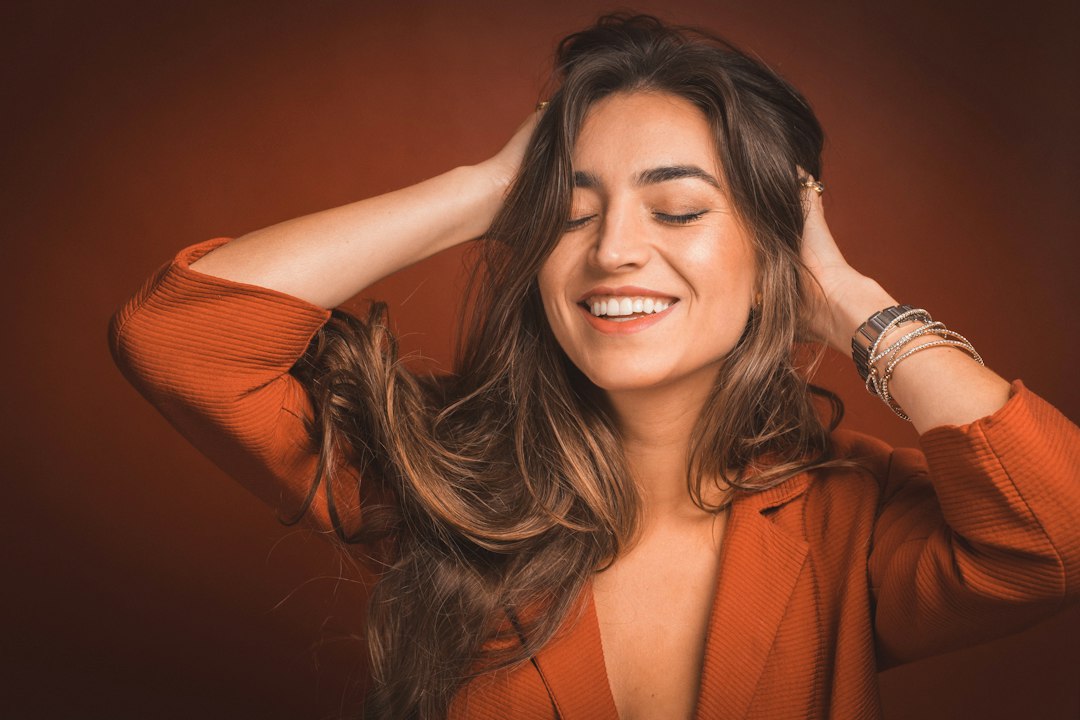
Cover photo by Pablo Merchán Montes on Unsplash
The main hair shades of brown fall into seven families: light brown, golden brown, caramel brown, chocolate brown, ash brown, red-toned brown, and dark espresso brown. The secret to your perfect match is not the shade name on the box, but your skin's undertone. Cool undertones shine in ash and espresso shades, warm undertones glow in caramel and golden browns, and neutral undertones can wear nearly all of them. This guide gives you a quick undertone self-test, curated shade lists with level numbers, a full brown hair color chart, and simple steps to keep your color vibrant at home.
Key takeaways
- The seven core hair shades of brown are light, golden, caramel, chocolate, ash, red-toned, and espresso brown, and your undertone decides which family flatters you.
- Run the vein, jewelry, and white paper tests to identify your undertone before you pick a shade; matching undertones gives the most harmonious result.
- Cool undertones suit ash brown, mushroom brown, and espresso; warm undertones suit golden brown, caramel, chestnut, and mahogany; neutral undertones can wear nearly any brown.
- On the level scale, level 3 is darkest brown and level 5 is medium brown, so you can decode any box label before you buy.
- Choose permanent color for full gray coverage and demi-permanent for tone and shine, then protect your brown with sulfate-free washing, weekly deep conditioning, and root touch-ups between colorings.
What Are the Main Hair Shades of Brown?
The main hair shades of brown are light brown, golden brown, caramel brown, chocolate brown, ash brown, red-toned browns like mahogany, and dark espresso brown. Each family has a distinct look and a wearer it flatters most.
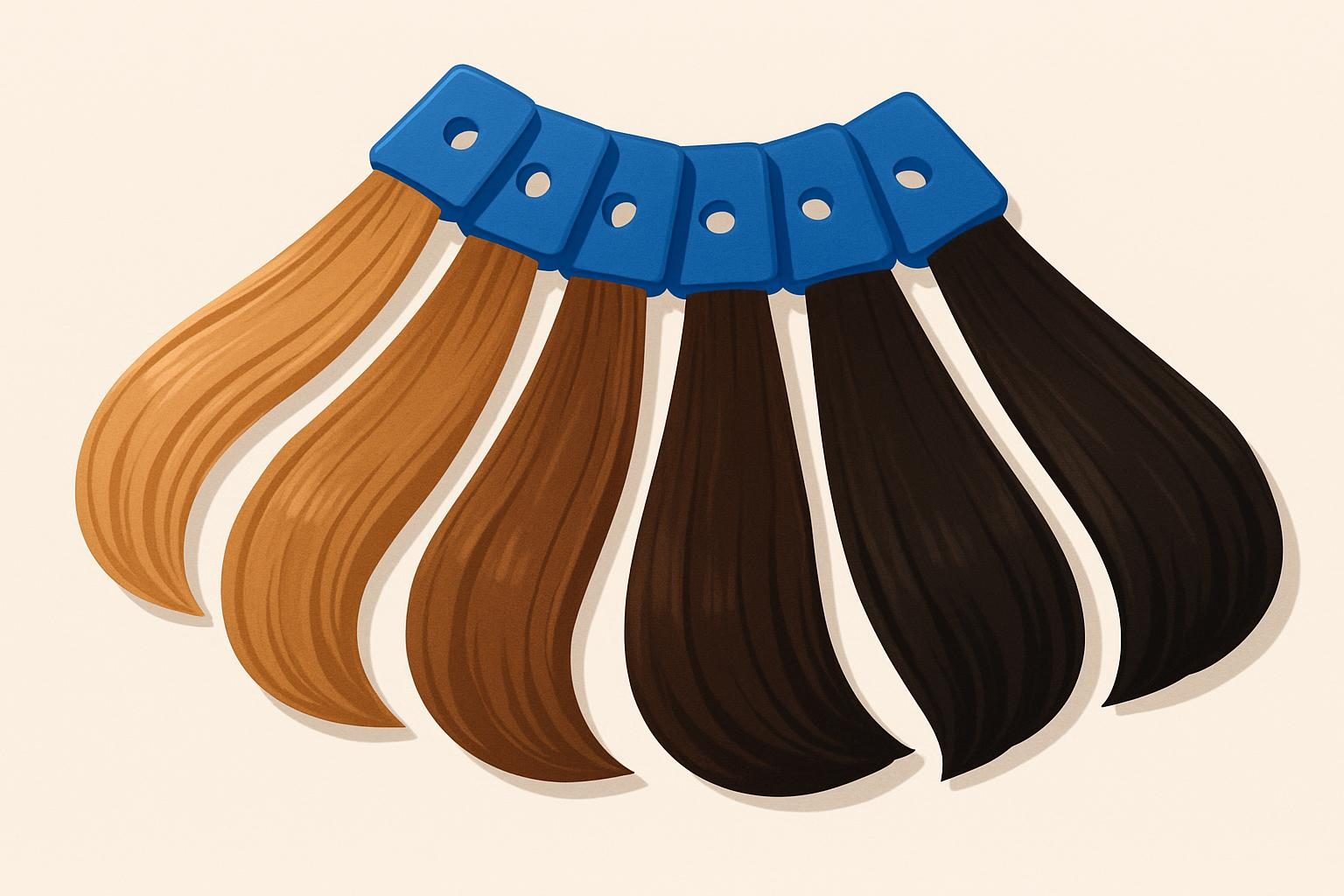
- Light brown: a soft, sunlit brown between level 6 and 7. It flatters fair to light skin and first-time colorers.
- Golden brown: a warm medium brown with yellow reflects. It wakes up warm, peachy skin.
- Caramel brown: a warm mid-level brown with golden toffee reflects. It suits warm and olive complexions.
- Chocolate brown: a rich neutral brown around level 4 to 5. It works on almost every skin tone.
- Ash brown: a cool, smoky brown with no warmth. It flatters cool, pink-toned skin.
- Red-toned browns (mahogany, auburn): browns with red and violet reflects. They add vibrancy to warm and neutral skin.
- Espresso and dark brown: the deepest browns, level 3 to 4. They look striking on deeper skin tones and cool undertones.
Undertone, not the shade name alone, decides the match. The same caramel brown can glow on one person and clash on another. For the full breakdown of warm and cool families, formulas, and maintenance, read our complete brown hair shade guide.
The same caramel brown can glow on one person and clash on another.
How to Find Your Undertone Before You Pick a Shade
You find your undertone by checking your veins, testing jewelry against your skin, and holding white paper to your face. Two minutes of testing saves you from a shade that fights your complexion.
Cool, warm and neutral undertones explained
Undertone is the subtle hue beneath your skin's surface, and it stays the same even when your tan changes. Cool undertones have pink, red, or bluish hints. Warm undertones read golden, peachy, or yellow. Neutral undertones sit in between, with no obvious pull either way. Colorists group brown shades the same way: cool, warm, and neutral families, as the experts behind the Josh Wood brown hair shades guide explain.
Three quick undertone tests
- Vein test: look at the veins on your inner wrist in natural light. Blue or purple veins suggest cool undertones, green veins suggest warm, and a mix of both points to neutral.
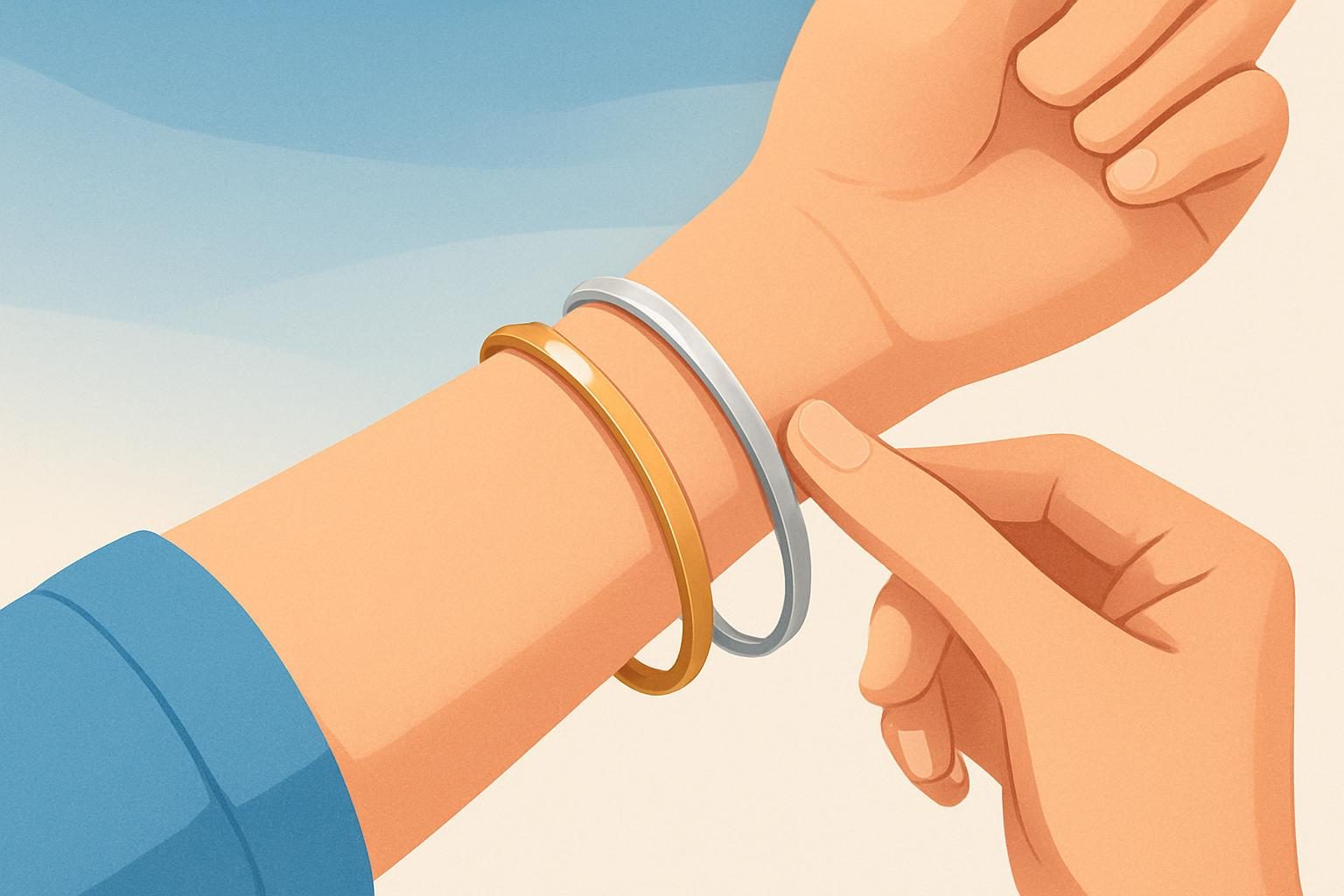
- Jewelry test: silver jewelry flatters cool skin, gold flatters warm skin, and both working equally well means neutral.
- White paper test: hold a sheet of white paper next to your bare face. Skin that looks pinkish by comparison is cool; skin that looks yellow or golden is warm.
Your natural hair and eye color back up the result. Cool undertones often come with ash-toned hair and blue or gray eyes; warm undertones pair with golden or reddish pigment and hazel or amber eyes.
Matching your undertone makes a shade look harmonious, while contrasting it (an ash brown on warm skin) creates a bolder, high-contrast look. First-time colorers usually get the most flattering result by matching.
Brown Hair Shades for Cool Undertones
The best brown hair shades for cool undertones are ash brown, mushroom brown, cool light brown, espresso, and blue-black brown. Their smoky, matte, or blue-based pigment echoes the pink and bluish hints in cool skin.
Ash brown and mushroom brown
- Ash brown (level 5 to 6): a light to medium brown with gray, smoky reflects. It neutralizes redness, a favorite for fair, pink-toned skin.
- Mushroom brown (level 6): a cooler, taupe-leaning take on ash brown. It flatters fair and light-medium skin that finds golden shades too brassy.
- Cool light brown (level 6 to 7): a soft brown with beige rather than gold. A gentle pick for fair skin coloring for the first time.
Cool espresso and blue black brown
- Espresso (level 3): a deep, almost-black brown with no warmth. Striking on cool medium and deeper skin.
- Blue-black brown (level 2 to 3): the darkest cool brown, with a subtle blue sheen in the light. It suits cool undertones that want maximum depth and shine.
Fair cool skin looks freshest in the lighter shades, while medium cool skin can carry espresso and blue-black brown beautifully. What to avoid: golden brown, caramel, and copper shades. Their yellow and orange reflects clash with cool skin and can make it look sallow. If your cool brown ever pulls warm as it fades, a cool-toned gloss brings it back.
Brown Hair Shades for Warm Undertones
The best brown hair shades for warm undertones are golden brown, honey brown, caramel brown, chestnut, and red-toned browns like mahogany and auburn. Their yellow, gold, and red reflects mirror the golden warmth in your skin, so the color looks lit from within. As L'Oréal Paris notes, there is a shade of brown to flatter nearly every complexion.
Golden brown and honey brown
- Golden brown (level 5 to 6): a medium brown shot through with yellow-gold. It brightens warm, peachy skin.
- Honey brown (level 6 to 7): a lighter, amber-toned brown. Lovely on warm fair to medium skin that wants a sunlit effect.
Caramel brown and chestnut
- Caramel brown (level 5 to 6): a warm mid-level brown with golden toffee reflects, sitting between golden brown and chocolate. It is the most requested warm brown because it adds dimension without going red.
- Chestnut (level 4 to 5): a medium brown with soft red-gold warmth. It flatters warm and olive skin tones especially well.
Red toned browns like mahogany and auburn
- Mahogany brown (level 4 to 5): a brown with red-violet reflects that reads rich rather than bright. It adds vibrancy to warm medium and deep skin.
- Auburn (level 5 to 6): the reddest of the brown family, halfway to red hair. A confident choice for warm undertones.
Want to go lighter than brown? Strawberry blonde is the warm adjacent option, blending golden blonde with soft copper. Our step-by-step guide shows you how to get strawberry blonde hair at home with nourishing, ammonia-free formulas.
Brown Hair Shades for Neutral Undertones and Dark Skin
Neutral undertones can wear nearly any brown, from cool ash to warm caramel, because their skin has no strong warm or cool pull to clash with. For deeper skin tones, rich dark browns like chocolate, mocha, espresso, and soft black are the most flattering choices, adding depth and shine without washing out the complexion.
Chocolate brown and mocha
- Chocolate brown (level 4 to 5): a balanced neutral brown that looks like its namesake. The safest first color for neutral undertones, and beautiful on medium to deep skin.
- Mocha (level 4): a neutral-cool dark brown with creamy depth. It gives deeper skin tones richness without harshness.
Dark brown and soft black shades
- Dark brown (level 3 to 4): the deepest true brown before black. Shades of dark brown hair like this one add intensity and glossy shine on deep complexions.
- Soft black (level 2): the darkest brown-black on the color level scale, which runs from level 2 soft black up to level 9 lightest blonde according to Colorsmith's guide to levels and tones. It suits deep and cool-neutral skin that wants maximum drama.
If a full dark shade feels like a big step, face-framing highlights are the low-commitment option. A few caramel or honey ribbons around the face add warmth and dimension to any base brown, grow out softly, and let you test a lighter tone before committing.
Matching your undertone makes a shade look harmonious, while contrasting it (an ash brown on warm skin) creates a bolder, high-contrast look.
Brown Hair Color Chart: Shade Names and Levels
This brown hair color chart puts every shade in one place: the name, its level number, its undertone, and who it flatters most. Use it to shortlist two or three shades before you buy.
| Shade | Level | Undertone | Best for |
|---|---|---|---|
| Soft black | 2 | Cool neutral | Deep skin, maximum depth |
| Espresso | 3 | Cool | Cool medium and deep skin |
| Dark brown | 3 to 4 | Neutral | Neutral and deep skin tones |
| Mahogany brown | 4 to 5 | Warm red | Warm medium and deep skin |
| Chocolate brown | 4 to 5 | Neutral | Almost every skin tone |
| Chestnut | 4 to 5 | Warm | Warm and olive skin |
| Ash brown | 5 to 6 | Cool | Fair, pink-toned skin |
| Caramel brown | 5 to 6 | Warm | Warm and olive skin |
| Golden brown | 5 to 6 | Warm | Warm, peachy skin |
| Mushroom brown | 6 | Cool | Fair and light-medium cool skin |
| Honey brown | 6 to 7 | Warm | Warm fair to medium skin |
| Light brown | 6 to 7 | Neutral warm | Fair skin, first-time colorers |
Level numbers tell you how light or dark a shade is. The scale runs from level 2 (soft black) to level 9 (lightest blonde), with level 3 as darkest brown and level 5 as medium brown, so you can decode any box label at a glance. The shade name beside the number tells you the reflects: ash, gold, copper, or mahogany.
Your starting point matters too. Natural, uncolored hair takes color predictably, while color-treated hair can grab darker or warmer than expected, so choose one level lighter if your hair is already colored.
Once you have picked your shade, keep it vibrant with our routine to care for colored hair. When gray roots start to show, our guide to Madison Reed root touch-up kits walks you through quick, natural-looking coverage between full colorings.
How to Get and Maintain Your Brown Shade at Home
You get your brown shade at home by choosing the right formula for your coverage needs, applying it carefully, and protecting the color with a simple routine.
Choosing an at-home formula
Permanent color covers gray completely and lasts until it grows out, while demi-permanent color blends gray, boosts tone, and fades gently over a few weeks. If you have significant gray to cover, choose permanent. If you want richer tone or extra shine on your natural brown, demi-permanent is enough. Look for ammonia-free, nourishing formulas for salon-quality results at home. Our brown hair shade guide compares both formula types in detail.
Keeping brown color vibrant
Brown color fades warm and dull without protection, so build these habits from day one:
- Wash two to three times a week with lukewarm or cool water to slow fading.
- Use sulfate-free shampoo and conditioner that cleanse without stripping color.
- Deep condition weekly for 10 to 15 minutes with a nourishing mask.
- Apply heat protectant before styling and use UV protection outdoors.
- Touch up roots between full colorings instead of re-coloring the lengths, which keeps ends healthy.
Stick with this routine and your brown keeps its healthy shine for weeks, with only quick root touch-ups between full applications.
Frequently asked questions
What color is caramel brown?
Caramel brown is a warm mid-level brown, around level 5 to 6, with golden toffee reflects. It sits between golden brown and chocolate brown, adding warmth and dimension without turning red. Caramel brown flatters warm and olive skin tones especially well, and caramel highlights are an easy way to warm up a darker base.
What is the best brown hair color for fair skin with cool undertones?
Ash brown is the best brown hair color for fair skin with cool undertones. Its smoky, gray-based pigment works with the pink hints in cool skin instead of clashing with them. Mushroom brown and cool light brown are great alternatives if you want something softer. Skip golden, caramel, and copper shades, which can make cool fair skin look sallow.
Does brown hair make you look younger?
Brown hair can make you look younger when the shade is soft, dimensional, and close to your natural depth. Very dark, flat color tends to emphasize shadows and fine lines, while warm mid-level browns with subtle highlights reflect light onto the face and soften features. Over 50, a chocolate or caramel brown with face-framing highlights is a reliably fresh combination.
What are the trendy brunette hair colors for 2026?
The trendy brunette hair colors for 2026 lean dimensional and glossy: rich chocolate brown, caramel and honey balayage on a brunette base, mushroom brown for cool undertones, and bronde, the brown-blonde hybrid. Editors at Glamour highlight caramel and honey brown bases as ideal for warm tones and bronde as a leading way to lighten brunette hair softly.
What do brown hair color level numbers mean?
Brown hair color level numbers tell you how light or dark a shade is on the standard scale. It runs from level 2 (soft black) to level 9 (lightest blonde): level 3 is darkest brown, level 5 is medium brown, and levels 6 to 7 are light brown, as Colorsmith's levels and tones guide explains. The shade name beside the number describes the reflects, such as ash or gold.
The bottom line
Finding your perfect hair shade of brown comes down to two decisions: know your undertone, then pick the family and level that matches it. Cool undertones glow in ash and espresso, warm undertones shine in caramel and golden brown, and neutral undertones can take their pick. Shortlist two or three shades from the chart, choose your formula, and protect your color with the routine above. Your most vibrant brown is waiting.
Ready to Find Your Perfect Brown?
Our step-by-step brown hair shade guide walks you through undertones, formulas, and maintenance so you can color with confidence at home.